Why Choose Syracuse?
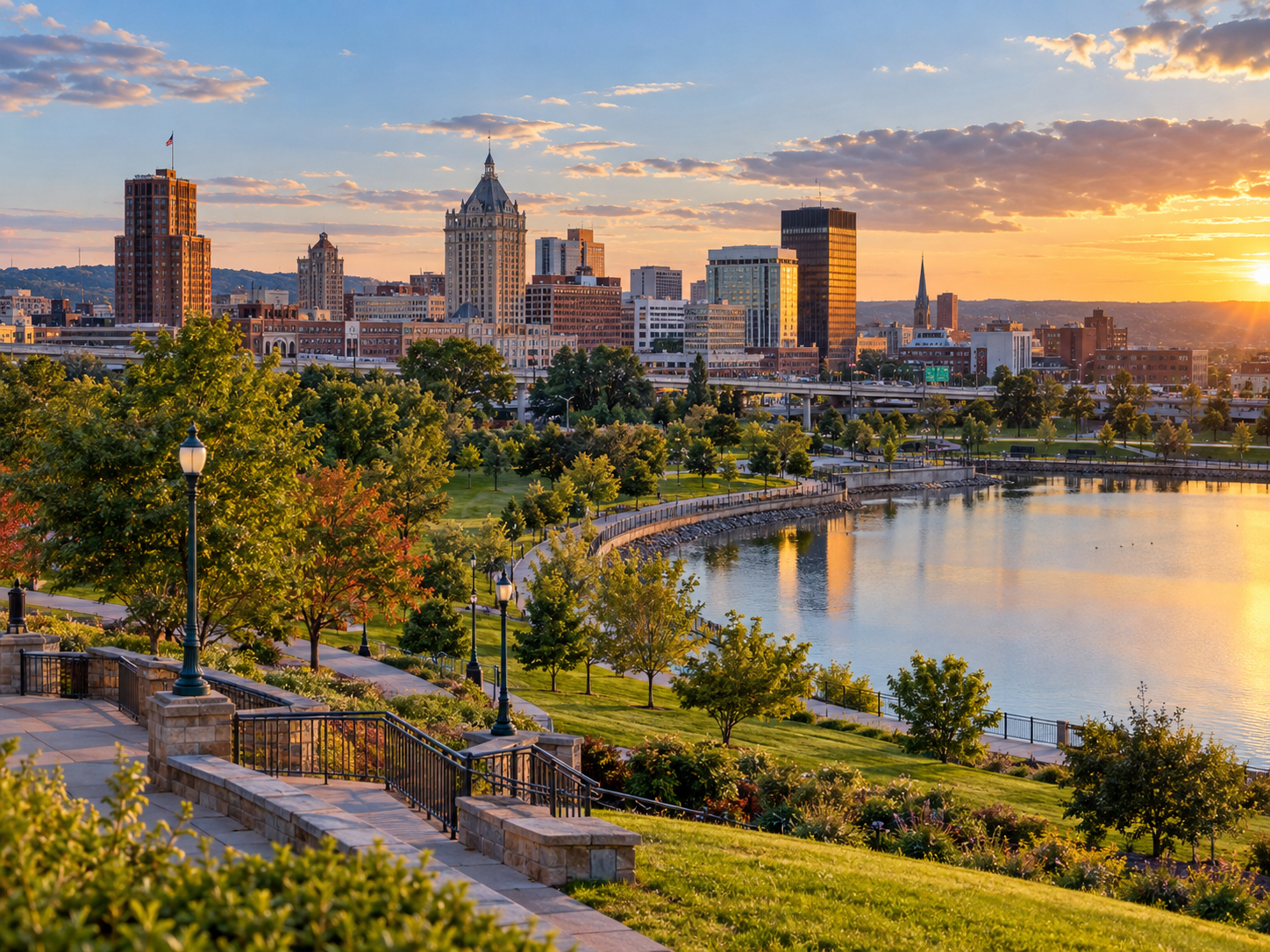
Syracuse appeals to residents who want a mid-sized city with university energy and practical living costs. It also offers a central location for travel across upstate New York.
Additionally, the city has a strong sense of local community. Because of that, it can fit families, professionals, and students looking for a manageable place to live.
Cost of Living
Syracuse is often more affordable than many larger Northeastern cities. Rent and home prices can be more approachable than downstate New York markets.
However, snow, heating, and property-related costs still matter. Before moving, compare winter utility expenses and commute conditions.
Real Estate and Housing Market
Syracuse offers apartments, older single-family homes, student housing areas, and suburban neighborhoods nearby. Buyers can often find more space than in larger metros.
Meanwhile, many homes are older. Therefore, roof age, heating systems, insulation, and maintenance history should be reviewed carefully.
Education
The Syracuse City School District serves the city, while surrounding districts serve nearby suburbs and towns. Families should compare boundaries and school offerings by address.
Syracuse University is the city’s best-known higher education institution. Several additional colleges and programs also support the region.
Healthcare Facilities
Syracuse has strong healthcare resources for a city of its size. Hospitals, specialty centers, and medical offices serve both city residents and the wider region.
Additionally, healthcare remains one of the area’s important employment sectors.
Recreation and Leisure
Residents can enjoy parks, trails, lakes, and nearby outdoor destinations. Onondaga Lake Park, local green spaces, and seasonal recreation support active living.
The city also offers museums, sports, and university events. Because of that, residents can find both outdoor and indoor entertainment throughout the year.
Dining and Shopping
Syracuse has a practical and growing dining scene. Residents can find local restaurants, cafes, college-area spots, and everyday family dining.
Shopping includes Destiny USA, neighborhood retail areas, and local service corridors.
Events and Festivals
Syracuse hosts fairs, cultural festivals, sports events, concerts, and seasonal celebrations. University events and community gatherings also help keep the calendar active.
Additionally, regional traditions help strengthen the city’s local identity.
Transportation and Accessibility
Syracuse is a driving-focused city, although public bus service provides another option for some commuters. Major highways help connect residents to other upstate destinations.
Meanwhile, the local airport supports regional access. The city’s central location is a practical benefit for travel within New York State.
Conclusion
Syracuse offers affordability, educational access, and a manageable urban scale. It can work well for residents who want four-season living with lower housing pressure than larger cities.
Before relocating, compare school districts, winter conditions, neighborhood fit, and housing maintenance needs carefully.